

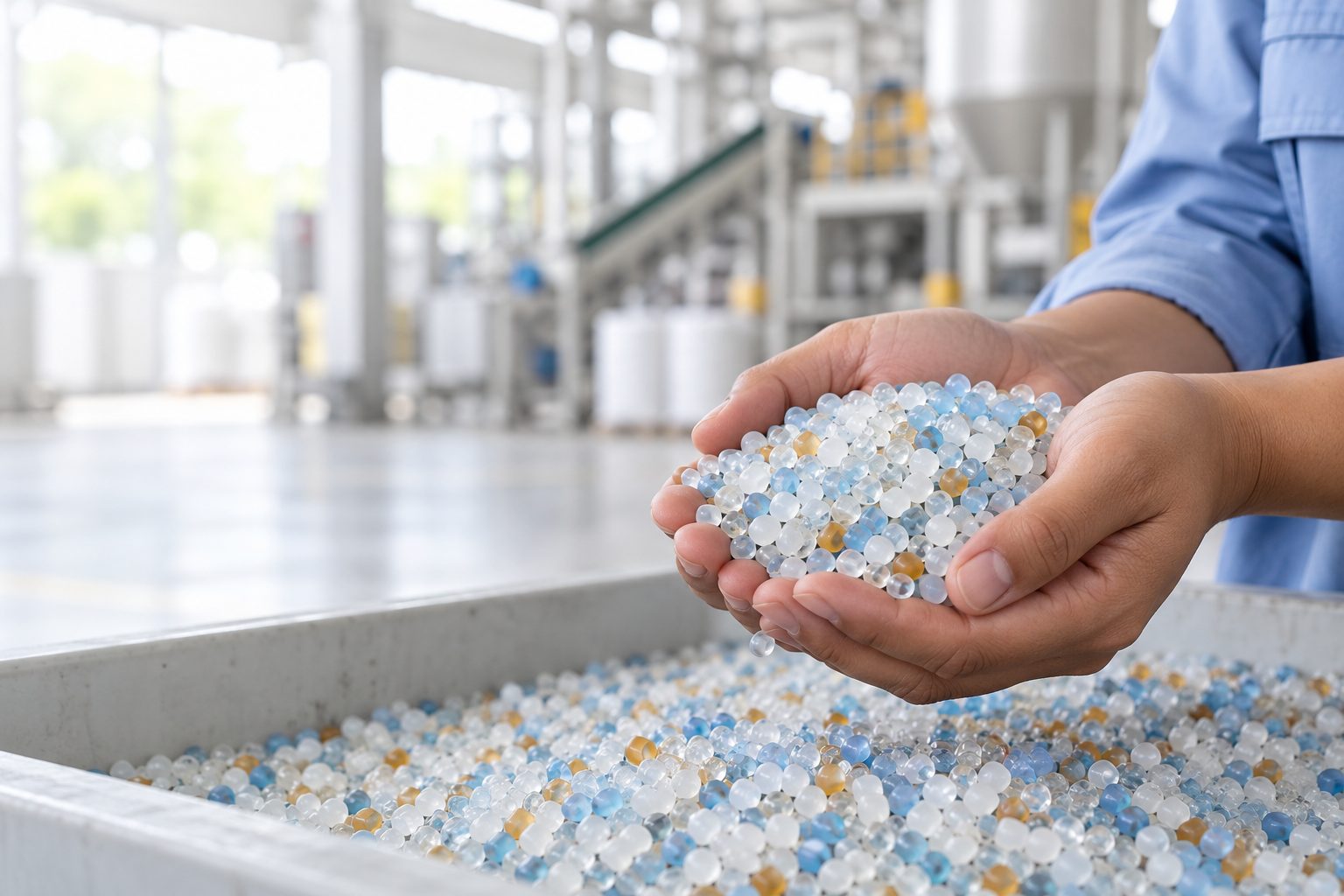

EXECUTIVE SUMMARY
Singapore’s biodegradable packaging market is experiencing significant growth, driven by the nation's ambitious Zero Waste Masterplan and the Singapore Green Plan 2030, which targets a 30% reduction in waste sent to landfills by 2030. The market size for biodegradable packaging materials in Singapore was valued at USD0.94 billion in 2025 and is projected to reach USD1.34 billion by 2034, registering a steady CAGR of 4.02%. With consumers, businesses, and government initiatives actively pushing away from single-use plastics, demand for plant-based, compostable, and paper-based packaging has skyrocketed across the F&B and retail sectors.
Malaysia’s robust manufacturing capabilities in paper and bioplastics, combined with its immediate geographical proximity to Singapore, allow it to serve as the ideal outsourced eco-packaging production hub. By supplying high-volume, certified sustainable materials, Malaysian manufacturers can capitalise on Singapore's urgent corporate shift towards ESG (Environmental, Social, and Governance) compliance, offering fast logistics and reduced carbon footprints.
MARKET INSIGHTS
As businesses actively seek sustainable suppliers to reduce waste, strengthen brand reputation, and comply with impending environmental standards, Malaysia remains a critical partner. Sourcing locally from across the Causeway ensures quick turnaround times and efficient logistics, allowing Singaporean brands to lower their Scope 3 carbon emissions compared to importing from deep-sea markets.
In 2025, paper emerged as the largest material segment in the Singapore market. However, the fastest-growing segment is "Biodegradable Materials," which includes Polylactic Acid (PLA), Polyhydroxyalkanoates (PHA) and cellulose-based films.
Malaysia’s Top Export Markets for Plastic Food Packaging (HS3923) in 2025:
- Singapore: USD258.0 million
- United States of America: USD172.0 million
- Australia: USD94.0 million
- Indonesia: USD80.8 million
- Thailand: 73.9 million
(Source: DOSM)
Singapore’s Top 5 Import Markets for Plastic Food Packaging in 2025:
- Malaysia: USD123.8 million
- China: USD48.6 million
- United States: USD25.72 million
- Japan: USD20.71 million
- France: 6.48 million
(Source: Global Trade Atlas)
This indicates that the demand for food packaging is high not only throughout the APAC region, but also across the globe. In line with the Sustainability Development Goals (SDG), it makes strong sense for Malaysian companies to begin exploring the biodegradable food packaging market.
Market Segmentation
Based on industry trends and the portfolios of major Singaporean sustainable suppliers, the biodegradable packaging market is distinctly segmented by end-use application. Exporters should target these three (3) core pillars:
F&B Takeaway & HORECA (Food Packaging)
Market Demand: The food and beverage segment is the largest revenue
driver for biodegradable packaging. There is massive demand for compostable cutlery, biodegradable bowls made from bagasse or cornstarch, and grease-resistant paper takeaway boxes.
Opportunity for Malaysian Exporters: Supplying bulk, customisable
disposable food containers. F&B businesses require leak-proof, microwave-safe, and freezer-safe solutions that align with eco-friendly mandates.
Retail & Consumer Goods (Bags and Wraps)
Market Demand: Retailers are actively replacing traditional plastic bags with compostable shopping bags and plant-based wraps to meet customer expectations and avoid plastic-related restrictions.
Opportunity for Malaysian Exporters: Manufacturing Kraft paper bags,
PLA retail packaging, and biodegradable carrier bags. Exporters can supply directly to Singaporean packaging distributors or large retail chains.
Industrial & E-Commerce (Plates and Tetra Packs)
Market Demand: The boom in e-commerce requires sustainable
protective packaging, including biodegradable plastic films, eco-pillow pouches, and recyclable cushioning materials.
Opportunity for Malaysian Exporters: Producing starch-blended or
cellulose-based wrapping films, liners, and mailers.
Pricing Analysis
While biodegradable materials generally command higher production costs compared to conventional petroleum-based plastics, Singaporean buyers are willing to absorb this premium to achieve zero-waste targets and enhance corporate reputation.
Because eco-packaging is highly volumetric, sea freight from China or Europe significantly eats into distributor margins. Malaysia’s land-bridge advantage allows exporters to offer highly competitive landed pricing, retaining superior profit margins while offering Singaporean buyers significant logistical cost savings.
Packaging
Format Market Dynamics & Margin Potential Compostable F&B Containers High volume turnover driven by daily food delivery. Premium pricing over styrofoam/plastic allows for better margins, as shipping costs are reduced via land freight shipment. Retail Carrier Bags Essential for retail compliance with sustainability goals. High demand for custom, water-based ink branding increases the per-unit value. Protective ECommerce Industrial bulk purchases. Margins rely on economies of scale and offering competitive pricing against conventional bubble wrap.
IMPORTING OF FOOD PACKAGING PRODUCTS TO SINGAPORE
Unlike fresh products or medical items, packaging materials are not subjected to stringent pre-market approvals, but they must align closely with national sustainability and safety guidelines:
- The Singapore Green Plan 2030: Government policies heavily favor materials that support a circular economy and zero-waste operations.
- Material Certifications: Corporate buyers prioritize certified compostable products and FSC-certified paper to avoid "greenwashing" accusations.
Food Contact Safety: Any packaging intended for the F&B sector must comply with the Singapore Food Agency's (SFA) safety standards regarding foodcontact materials, ensuring they are non-toxic and free from harmful chemicals like BPA.
LIST OF INDUSTRY PLAYERS FROM SINGAPORE
Major sustainable packaging distributors in Singapore are actively looking for reliable partnerships across the causeway. These entities are seven (7) prominent local entities actively contributing to Singapore’s eco-friendly packaging industry:
Green Lab: Stands out as one of the most innovative providers in the
sustainable packaging landscape. As a company dedicated to creating a circular economy, Green Lab focuses on plant-based packaging, biodegradable materials, reusable alternatives, and large-format printing using eco-friendly substrates.
Stream Peak International Pte Ltd: Provides industrial, food, and
consumer packaging solutions with a growing emphasis on sustainability. Their eco-focused portfolio includes compostable cushions, biodegradable packaging inserts, and recyclable food-grade materials.
Acepac International (S) Pte Ltd: Acepac International specialises in highquality packaging for various industries, including food services. They offer biodegradable carry bags, eco-friendly tableware, and compostable alternatives that reduce environmental impact.
Tria Pte Ltd: Tria has gained significant recognition for its closed-loop composting ecosystem called Bio24, enabling food waste and packaging waste to be processed within 24 hours. This innovative system supports food establishments seeking full-cycle sustainability, making TRIA an essential name on the list of eco-focused packaging companies.
Syspex: SYSPEX is a well-established packaging solutions provider with a dedicated eco-friendly line. Their “Go Green” options include biodegradable films, recyclable food containers, and environmentally safer cushioning materials.
DG Packaging Pte Ltd: DG Packaging provides eco-friendly packaging
options while specialising in compliant, secure, and regulation-approved packaging for sensitive goods. They increasingly include biodegradable and
recyclable materials in their catalogue, supporting companies striving for greener logistics and food packaging solutions.
SWOT ANALYSIS FOR MALAYSIAN EXPORTERS
Strengths
Logistical Edge: Biodegradable packaging takes up significant volumetric weight. Trucking from Malaysia avoids the high container shipping costs faced by competitors, ensuring faster communication and efficient logistics.
Carbon Footprint Reduction: Sourcing from Malaysia significantly lowers the transport-related Scope 3 emissions for Singaporean buyers compared to importing from overseas.
Weaknesses
Higher Production Costs: Producing certified biodegradable films and
bioplastics involves higher raw material costs compared to conventional plastics.
Performance Limitations: Certain bio-based films still face limitations in heat and moisture resistance compared to traditional polymers.
Opportunities
F&B Takeaway Boom: The massive reliance on takeaway and food delivery in Singapore drives continuous, high-volume demand for disposable ecopackaging.
Customization Services: Offering bespoke structural designs and eco-friendly water-based ink printing. Custom branding is highly sought after by Singaporean businesses looking to enhance customer experience.
Starch Blends and Plant Fibers: Innovating with bagasse, bamboo, and
cornstarch, which are gaining massive popularity as alternatives to single-use plastics.
Threats
Aggressive Global Competition: Deep-pocketed international manufacturers operate at massive economies of scale for bioplastics, constantly threatening wholesale pricing structures.
Shifting Infrastructure and Definitions: If Singapore accelerates the demand for "closed-loop" reusable packaging ecosystems (like TRIA's Bio24 system) over single-use compostables, it could shift the dynamics of the disposable packaging market.
RECOMMENDATIONS
Target Wholesale Distributors: Partner directly with packaging wholesalers (such as Green Lab or Acepac) rather than individual restaurants. These companies manage the localised B2B distribution and last-mile delivery to cafes and retailers, allowing you to focus purely on high-volume OEM manufacturing.
Prioritise Eco-Certifications: Ensure your products carry recognised
certifications (e.g., commercially compostable or FSC-certified paper). Singaporean corporate buyers and ESG-focused distributors strictly require these credentials to meet their sustainability reporting goals and avoid greenwashing.
Highlight "Scope 3" Carbon Reductions: In your B2B sales pitch,
aggressively emphasise that sourcing from Malaysia significantly lowers Scope 3 carbon emissions due to short-distance land transport. This is a massive selling point for Singaporean corporations urgently trying to align with the Singapore Green Plan 2030.
Offer Water-Based Ink Customisation: Do not just sell plain boxes. Offer custom logo printing using eco-friendly, water-based inks. Singaporean F&B brands rely heavily on custom packaging to build brand identity, and offering an all-in-one sustainable branding solution will allow you to charge a premium.
INFOGRAPHIC
Prepared by: MATRADE Singapore August 2026
 Signed circular (PDF)7 pages · opens in a new tabOpen PDF